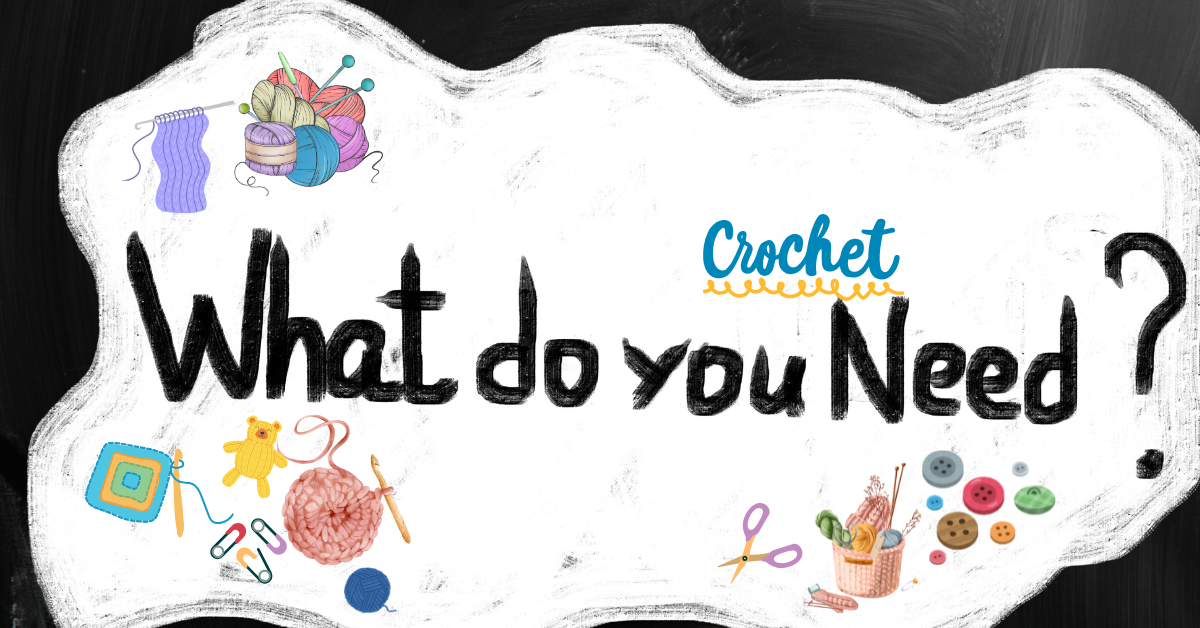
Crocheting is a relaxing, creative, and highly rewarding craft that allows you to make everything from cozy blankets and fashionable wearables to adorable toys and home décor. If you’re new to crochet, one of the most common questions you might ask is: What do you need to crochet? The good news is that crochet doesn’t require a huge investment or complex tools. With a few basic items and some practice, you’ll be well on your way to creating beautiful handmade projects.
In this in-depth guide, we’ll walk you through all the essential tools and materials every beginner needs to get started with crocheting, along with optional items that can enhance your experience and improve your results.
1. Yarn
The first thing you’ll need is yarn, the material that becomes your final product. Yarn comes in different weights (thicknesses), fibers (materials), textures, and colors.
Types of Yarn Fibers:
- Acrylic – Great for beginners. It’s affordable, widely available, and machine washable.
- Cotton – Perfect for summer projects and items like dishcloths or bags.
- Wool – Warm, elastic, and excellent for garments and blankets.
- Blends – Combine the benefits of different fibers (e.g., wool-acrylic blend).
Yarn Weights:
For beginners, medium-weight yarn (known as worsted weight or category 4) is ideal. It’s thick enough to see your stitches clearly and not too bulky to manage.
Start with light or neutral colors, as dark yarn can make it harder to see your stitches.
2. Crochet Hooks
The second must-have item is a crochet hook, the tool you use to loop the yarn and create stitches. Crochet hooks come in various sizes and materials like aluminum, plastic, bamboo, and ergonomic rubber handles.
Choosing the Right Hook Size:
- Hook sizes are indicated by a letter or millimeter (mm).
- Most beginners start with a 5.0mm (H-8) hook, which pairs well with medium-weight yarn.
- Always check your yarn label for the recommended hook size.
Ergonomic hooks are a great choice for comfort, especially if you plan to crochet for long periods.
3. Scissors
You’ll need a small pair of sharp scissors to cut your yarn. While any scissors will technically do, a compact pair made for needlework will give you cleaner cuts and is easier to store with your crochet tools.
4. Tapestry Needle or Yarn Needle
A tapestry needle (also called a darning needle or yarn needle) is used to weave in your yarn ends after finishing a project. These needles have a large eye to fit yarn through and a blunt tip to easily navigate stitches without splitting the fibers.
Plastic or metal versions are widely available and inexpensive.
5. Stitch Markers
Stitch markers help you keep track of important places in your work, such as the beginning of a round or a turning point in your pattern. They’re especially useful for beginners working in the round or making garments.
You can buy plastic locking stitch markers or simply use a paperclip or safety pin as a temporary substitute.
6. Measuring Tape
A flexible measuring tape is useful for checking the dimensions of your work and ensuring your project matches the size indicated in a pattern. This is especially important when making garments or fitted accessories like hats.
7. Pattern or Crochet Instructions
While you can freestyle crochet projects once you’re experienced, beginners should follow a pattern or tutorial to learn the structure of crochet stitches and how they build into a design.
You can find patterns in:
- Crochet books
- Free blogs or websites
- YouTube tutorials
- Digital marketplaces like Etsy or Ravelry
Choose beginner-friendly patterns labeled “easy” or “starter.”
8. Storage for Supplies
A dedicated pouch, small bag, or plastic box is helpful to keep all your crochet tools organized. You can even repurpose a pencil case or makeup bag. As you progress and collect more tools, investing in a proper crochet organizer can help streamline your workspace.
Optional but Helpful Extras
While the above list covers the basics, here are some optional tools that can make crocheting easier and more enjoyable:
- Row Counter – Helps track your progress without losing count.
- Hook Gauge – Measures hook size (especially useful if your hook is unmarked).
- Blocking Tools – Pins and mats to shape your finished project.
- Light or Magnifier – Helps you see stitches better, especially when working with dark yarn.
What Do You Need to Crochet Your First Project?
If you’re still wondering what do you need to crochet your very first project, here’s a simple starter kit checklist:
- 1 skein of worsted weight yarn (acrylic recommended)
- 5.0 mm crochet hook
- Tapestry needle
- Scissors
- A beginner pattern (like a dishcloth or scarf)
With just those items, you can complete a full project and start developing your skills.
How Much Does It Cost to Start Crocheting?
One of the most attractive aspects of crochet is that it’s a low-cost hobby. You can get started for under $15 with just one hook, a ball of yarn, and a needle. As your interest grows, you can gradually expand your toolkit and try new types of yarn, hooks, and patterns.
Final Thoughts
So, what do you need to crochet? Not much! With a few basic tools and some yarn, you can begin an endless journey of creativity, relaxation, and self-expression. Crochet is a hobby that scales with you—start small, then grow your collection and skills at your own pace.
Whether you’re crafting cozy blankets, colorful toys, or fashionable accessories, knowing your essential supplies will help you feel confident and prepared. Now that you know what’s needed, grab your yarn and hook, and start stitching your first masterpiece!